
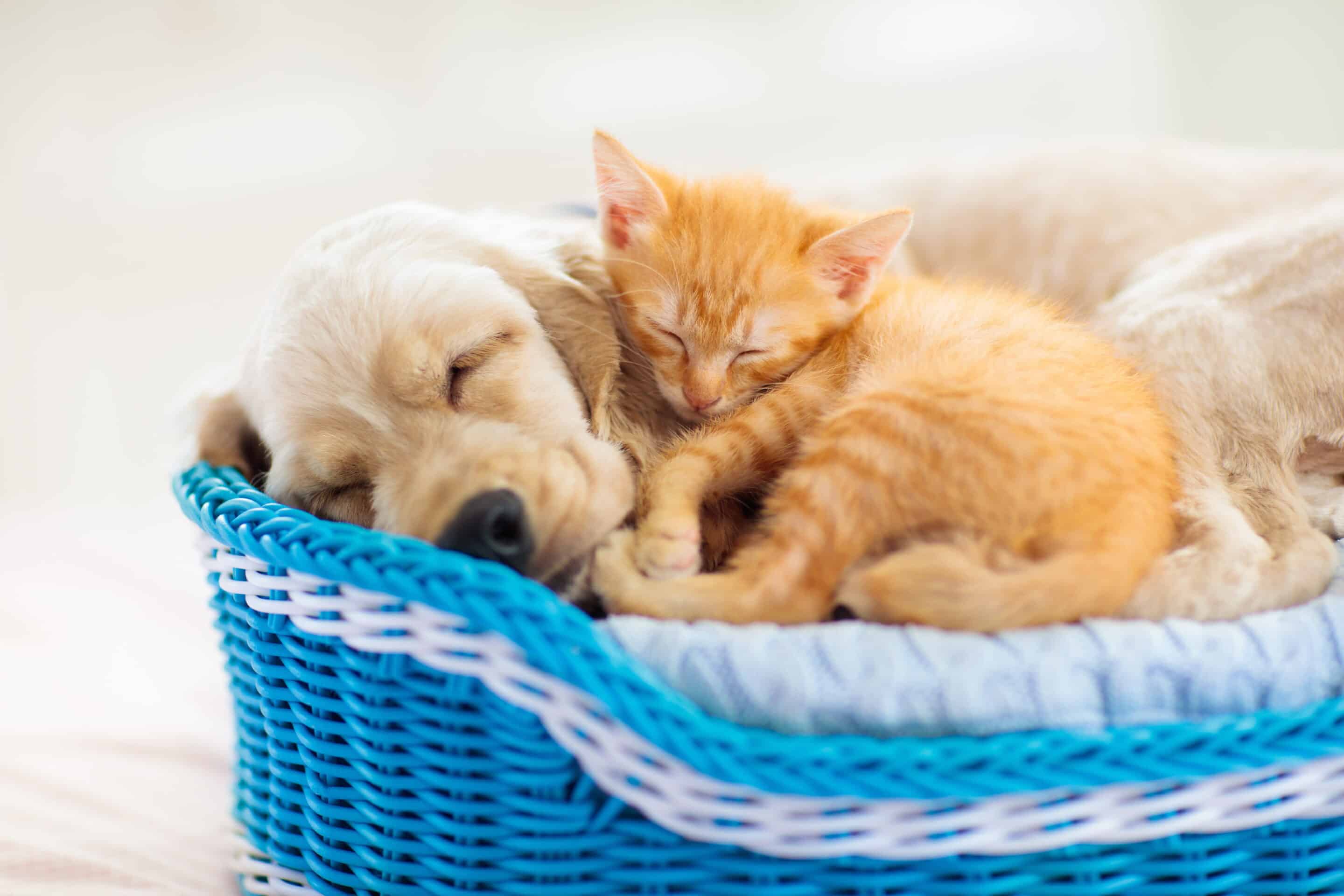
Puppy and Kitten Training in Vestavia Hills, AL
Puppy and Kitten Training in Vestavia Hills, AL
BookBringing home a new puppy or kitten is joyful, a little chaotic, and full of questions you did not know you had. At Parkside Pet Hospital, we pair medical care with puppy and kitten training in Vestavia Hills, AL so your youngster grows into a confident, well-mannered companion. Right by the Liberty Park roundabout, Dr. Parker and Dr. Hernandez guide new pet parents through those important first months with patient, practical advice built for real life.
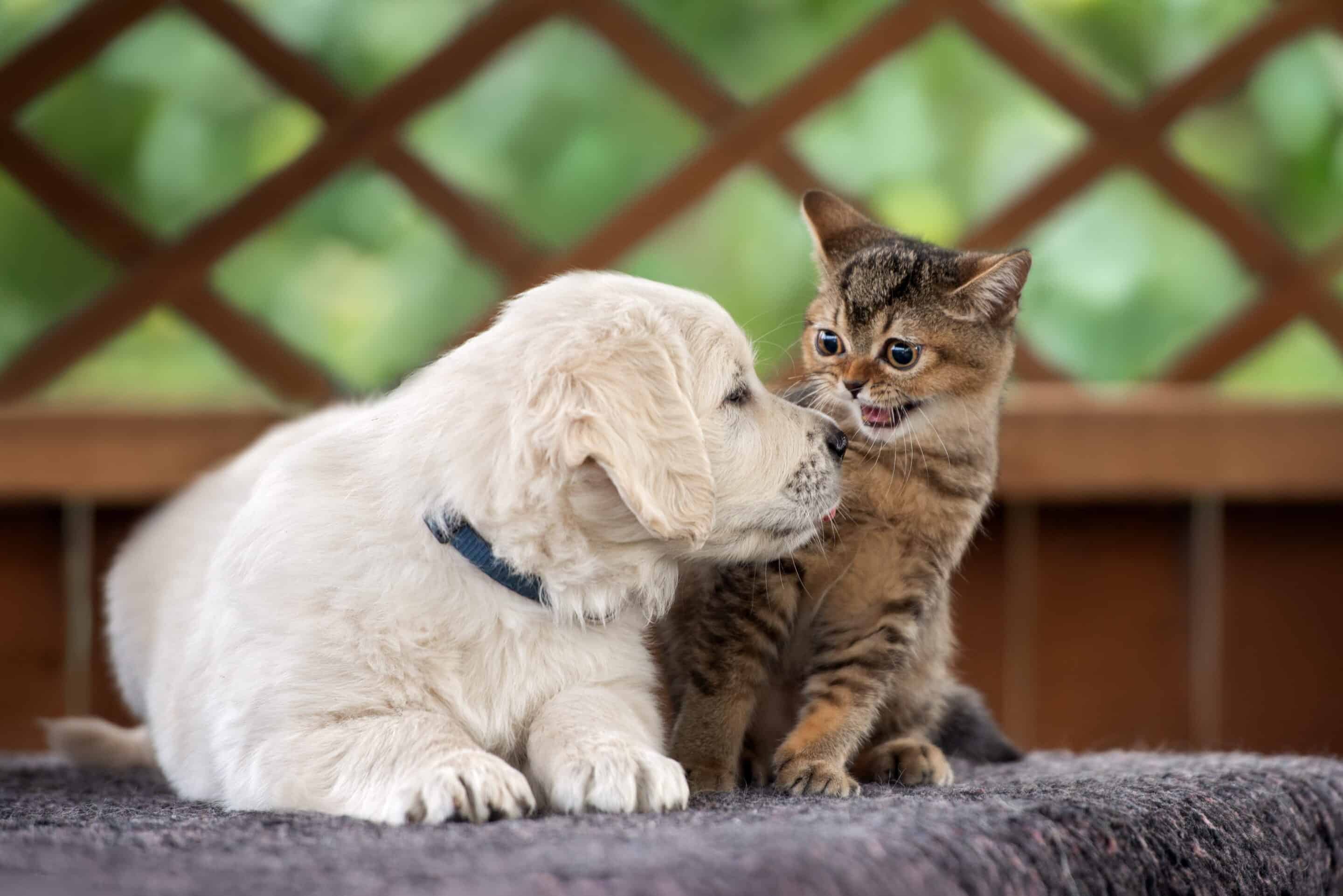
What Are Pediatric Pet Training Resources?
Pediatric pet training resources are the guidance, tools, and support we give families to raise young dogs and cats well from day one. This covers behavior, socialization, house manners, and the health foundation that makes learning possible. Think of it as a roadmap for the first year: what to teach, when to teach it, and how to keep it positive. Our early behavior guidance works hand in hand with our wellness and preventive services so your pet’s mind and body develop together. Getting this stretch right pays off for years, since the lessons learned now shape how your pet handles the world as an adult.
When Should I Start Training My Puppy or Kitten?
Start the day you bring them home, because learning begins immediately whether we guide it or not. Young animals absorb experiences fast, and gentle, consistent routines from week one prevent problems later. You do not need formal sessions at first; simple habits around feeding, handling, and rewards lay the groundwork. If you want a head start, knowing what to focus on in a new puppy’s first weeks makes those early days far less overwhelming, and we build a training timeline into every wellness visit. A few good habits from the start prevent many of the problems that send older pets to the vet for behavior help later on.
Why Is Early Socialization So Important?
The first few months are a critical window when positive experiences shape lifelong temperament. Puppies and kittens exposed calmly to new people, sounds, surfaces, and gentle handling tend to grow into relaxed, adaptable adults. Thoughtful puppy socialization reduces fear, reactivity, and aggression down the road. The key is quality over quantity: short, happy encounters where your pet feels safe, never overwhelmed. We help you read your pet’s signals so socializing builds confidence instead of stress. Forcing a nervous puppy into a crowded, loud setting can backfire, so we coach you on how to keep every new experience positive and paced to your pet.
How Do I House-Train My New Puppy?
Consistency, supervision, and generous praise are the heart of successful house-training. Take your puppy out frequently, especially after sleeping, eating, and play, and reward success the instant it happens outside. Keeping to a schedule teaches your puppy what to expect. When you cannot supervise, a safe confined space prevents accidents and speeds learning. Most puppies make steady progress within a few weeks, and house training a puppy goes faster when the whole family follows the same routine. Accidents will happen, and calm cleanup without scolding keeps your puppy from becoming anxious about going in front of you.
What Is the Best Way to Litter-Train a Kitten?
Most kittens take to the litter box naturally, so your job is mainly to set them up for success. Place clean boxes in quiet, easy-to-reach spots, use unscented litter, and keep the boxes scrupulously clean. Show your kitten the box after meals and naps, then offer quiet praise. A good rule for litter box training is one box per cat plus one extra. If accidents continue, let us know, since a medical issue can sometimes be the real cause.
How Do I Stop Puppy Biting and Nipping?
Redirect the biting to appropriate outlets and reward gentle behavior rather than punishing the nip. Mouthing is normal exploration for puppies, but it needs guidance. When teeth touch skin, calmly pause play and offer a chew toy instead, teaching that soft mouths keep the fun going. Consistency from everyone in the home is essential. These kitten training tips apply to playful young cats too, whose pouncing and scratching respond to the same redirect-and-reward approach. Plenty of appropriate chew toys and scratching surfaces gives that natural energy somewhere healthy to go.
What Vaccinations Are Needed Before My Puppy Socializes?
Your puppy should be partway through their core vaccine series before meeting unknown dogs or visiting high-traffic areas. Early shots for distemper, parvovirus, and related diseases build the protection that makes safe socializing possible. That said, waiting until every shot is finished can mean missing the critical window, so we help you socialize safely in controlled settings in the meantime. We will map out your puppy vaccination schedule so training and protection move forward together.
How Do I Crate-Train Without the Stress?
A crate should feel like a cozy den, never a punishment, so build positive associations step by step:
- Introduce the crate with treats, meals, and a comfortable bed inside
- Keep early sessions short and always end on a calm note
- Let your pet enter on their own before ever closing the door
- Pair the crate with a special toy reserved just for that space
Done patiently, crate training gives your pet a safe retreat and makes travel, recovery, and house-training far easier. Never use the crate as a place of punishment, since that undoes the trust you are working to build.
What Belongs on a New Puppy or Kitten Checklist?
A little preparation makes the first weeks smoother. Your new puppy checklist, and the kitten version, should include:
- An early wellness exam and a tailored vaccine plan
- Microchipping and a discussion of spay or neuter timing
- Age-appropriate food and a steady feeding routine
- Safe chew toys, a crate or carrier, and grooming basics
- A plan for socialization and early training
We are glad to walk through each item so nothing gets overlooked during this busy, exciting time.
How Much Do Puppy and Kitten Wellness Visits Cost?
Early care is bundled to be predictable and budget-friendly, and we review every cost with you up front. Puppy and kitten visits typically group exams, vaccines, parasite screening, and microchipping so you are not guessing what comes next. Investing in this foundation now helps prevent far costlier health and behavior problems later. Ask us about wellness plans that spread these early essentials into simple, manageable steps. Knowing what to expect at each stage takes the guesswork out of budgeting for your new family member.
Why Choose Parkside Pet Hospital for Puppy and Kitten Training Support
Families choose us because we care for the whole young pet, not just the shots. You see the same doctors at every visit, so we watch your puppy or kitten grow and adjust our guidance as they change. Our calm, comfort-first rooms make early visits pleasant, which itself shapes a lifetime of easier care. We combine concierge-level veterinary care with genuine, down-to-earth advice, and these resources are part of our age-specific pet care programs designed for every life stage. When your questions come up at 9 p.m., our telehealth option and secure portal mean answers are never far away.
Start Your Young Pet Off Right With Our Team
The habits your pet learns now will last a lifetime, and our team in Vestavia Hills, AL would love to help you get them right. From first vaccines to first manners, Parkside Pet Hospital gives new pet parents the steady support that turns a rambunctious youngster into a cherished family member. Schedule your puppy or kitten’s first visit and let us start the journey together.

